

| Classification Standards and Grade Analysis of Stainless Steel Sheets |
| Release Date: 2026-04-02 Views: 18 times |
|
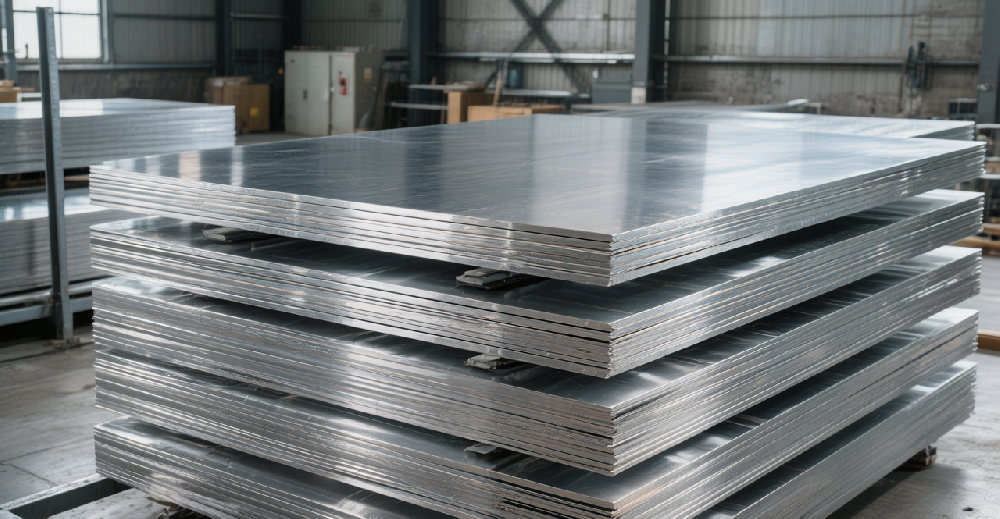
Stainless steel sheets are among the most widely used steel products in industrial production and daily life. Understanding their classification standards and grade systems is essential for proper material selection. 1. Classification by Metallographic Structure Stainless steel sheets are primarily classified into five categories based on metallographic structure: austenitic, ferritic, martensitic, duplex, and precipitation-hardening stainless steels. Among them, austenitic stainless steels (such as grades 304 and 316) account for the largest share due to their excellent corrosion resistance and workability, and are widely used in food processing, medical equipment, and chemical industries. 2. Analysis of Common Grades 304 stainless steel is the most common austenitic grade, containing 18%-20% chromium and 8%-10.5% nickel, offering good corrosion resistance and formability. 316 stainless steel adds 2%-3% molybdenum to the 304 base, significantly improving pitting and chloride corrosion resistance, making it suitable for marine environments and chemical equipment. 201 stainless steel substitutes manganese for nickel, reducing costs, but offers relatively weaker corrosion resistance and is mostly used for interior decoration and general applications. 3. Surface Finish Classification Common surface finishes on the market include 2B (cold-rolled, heat-treated, pickled, skin-passed), BA (bright annealed), No.4 (short-brushed), HL (hairline), and 8K (mirror-polished). Different surface finishes not only affect aesthetics but are also directly related to corrosion resistance and service life. Mastering the classification and grade knowledge of stainless steel sheets is the foundation for rational material selection and cost control. In practical applications, the appropriate material and surface finish should be selected based on the service environment, load conditions, and budget requirements. |