
| Complete Guide to Stainless Steel Surface Treatment Processes |
| Release Date: 2026-04-11 Views: 20 times |
|
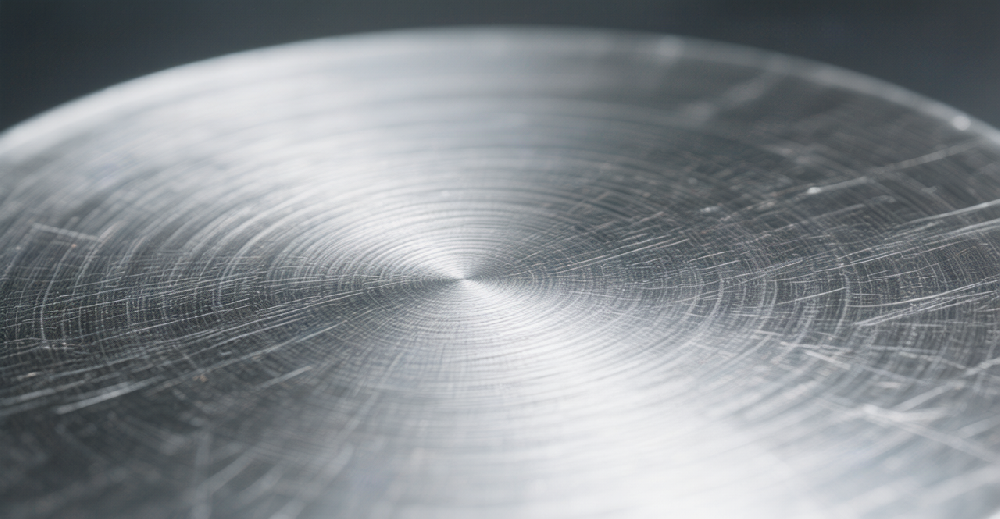
Stainless steel surface treatment processes directly affect the visual texture and functional performance of products. Different treatment methods give stainless steel distinctly different decorative effects and functional characteristics. 1. Mechanical Polishing Mechanical polishing involves physically processing the stainless steel surface with abrasive materials, including steps such as rough grinding, fine grinding, and precision polishing. Common surface effects include brushed (No.4/HL), mirror (8K), and sandblasted finishes. Brushed finishes produce fine linear textures that hide minor scratches from daily use; mirror polishing achieves a highly reflective bright surface, commonly used in high-end decorative applications. 2. Chemical Treatment Processes Chemical treatments mainly include pickling, passivation, and electropolishing. Pickling removes oxide scale produced during welding and hot working; passivation forms a dense chromium oxide protective film on the stainless steel surface, significantly enhancing corrosion resistance; electropolishing combines deburring and brightening effects and is widely used in food-grade and sanitary-grade equipment. 3. Colored Stainless Steel Processes Through PVD vacuum coating or chemical coloring processes, stainless steel surfaces can achieve various colors, including titanium gold, rose gold, champagne gold, and black. PVD coating layers offer high hardness and excellent wear resistance, making them the preferred solution for high-end decorative applications. 4. Surface Treatment Selection Principles When selecting a surface treatment process, factors such as the service environment, aesthetic requirements, maintenance costs, and budget must be comprehensively considered. Outdoor environments should prioritize treatments with good weather resistance; food and medical industries must meet sanitary-grade standards. |