
| Classification and Selection Tips for Stainless Steel Pipes |
| Release Date: 2026-04-18 Views: 20 times |
|
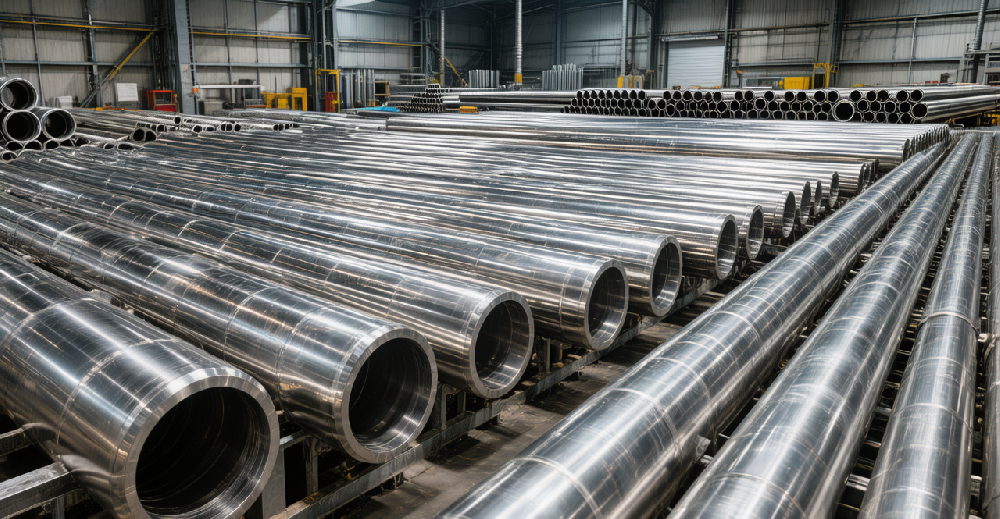
Stainless steel pipes are indispensable basic materials in industrial production and architectural decoration. Understanding the characteristics and applicable ranges of different types of pipes helps in making correct selection decisions. 1. Classification by Production Process Stainless steel pipes are mainly divided into two categories: seamless pipes and welded pipes. Seamless pipes are produced through hot rolling or cold drawing processes, featuring high strength and good pressure resistance, suitable for demanding conditions such as high pressure and high temperature. Welded pipes are made by forming and welding strip material, offering high production efficiency and lower cost, widely used in architectural decoration and general fluid transportation. 2. Classification by Cross-Sectional Shape In addition to common round pipes, special-shaped pipes such as stainless steel square tubes, rectangular tubes, and oval tubes can meet different structural and decorative requirements. Among them, stainless steel square tubes and rectangular tubes are most frequently used in guardrails, stair handrails, and furniture manufacturing. 3. Differences Between Decorative and Industrial Pipes Decorative stainless steel pipes require higher surface finish and dimensional precision, typically using polished or brushed surface treatments, with relatively thin wall thickness. Industrial pipes place greater emphasis on mechanical properties and corrosion resistance, requiring compliance with corresponding pressure ratings and technical standards. 4. Selection Recommendations For architectural decoration, 304 material welded pipes are recommended, with surface finishes chosen based on design requirements such as brushed or mirror effects. The food and pharmaceutical industries require sanitary-grade seamless pipes with polished internal and external surfaces. Chemical fluid transportation should select 316L or higher-grade materials based on the characteristics of the medium. |